
Things to Consider When Choosing a Bath:
There are many choices when it comes to selecting your new bath. You want something to relax in, something to clean the kids in, and even something to clean the dog in! Choosing the right bath involves balancing these needs with the available space and aesthetic preferences.
Most UK bathrooms have space for a 1500mm bath, WC, and sink, with a shower installed over the bath. So, we’ll base this discussion on that standard bathroom size and layout.
Freestanding Baths
Freestanding baths are very popular at the moment. They are beautiful, timeless, and often have high sides, enabling a deep soak. However, there are several considerations to keep in mind:
– Space: Freestanding baths require more space around them compared to built-in baths. Ensure your bathroom can accommodate this.
– Shower Compatibility: It is difficult to install a shower over a freestanding bath and even harder to keep the water from the shower within the bath. This may not be ideal for households where the bath also needs to function as a shower.

– Cleaning: Water splashes from dogs and children can easily escape the bath, and cleaning around a freestanding bath can be challenging if it fits tightly into the space.- Overflow Height: Ensure the overflow is high enough to allow for a deep soak.
– Accessibility: High-sided freestanding baths can be difficult to get in and out of, which might be a consideration for some users.
Freestanding baths come in two styles:
– Traditional: Typically placed on feet, these baths can be single-ended, double-ended (see below), or slipper baths. They make a statement and often come at reasonable prices. However, the feet and other details might require more cleaning, and the internal size can be smaller.
– Modern: These have a contemporary shape and are generally easier to clean. Be aware that slim-profile modern freestanding baths can be quite expensive, often costing thousands of pounds.

Ends: Single or Double-ended?
This decision is relatively straightforward and applies to both freestanding and built-in baths. It refers to the position of the waste:
– Single-ended: Designed for one person, with the waste at one end. This is ideal if you have a shower over the bath.
– Double-ended: The waste is in the middle, allowing you to sit at either end or share the bath comfortably between two people. This is perfect for families with young children who argue over who gets the tap end.
What is a Built-in Bath?
Built-in or fitted baths offer several advantages:
– Variety: They come in single or double-ended designs, as well as round or square shapes.
– Comfort: To choose the most comfortable design, it’s best to sit in the bath before buying.
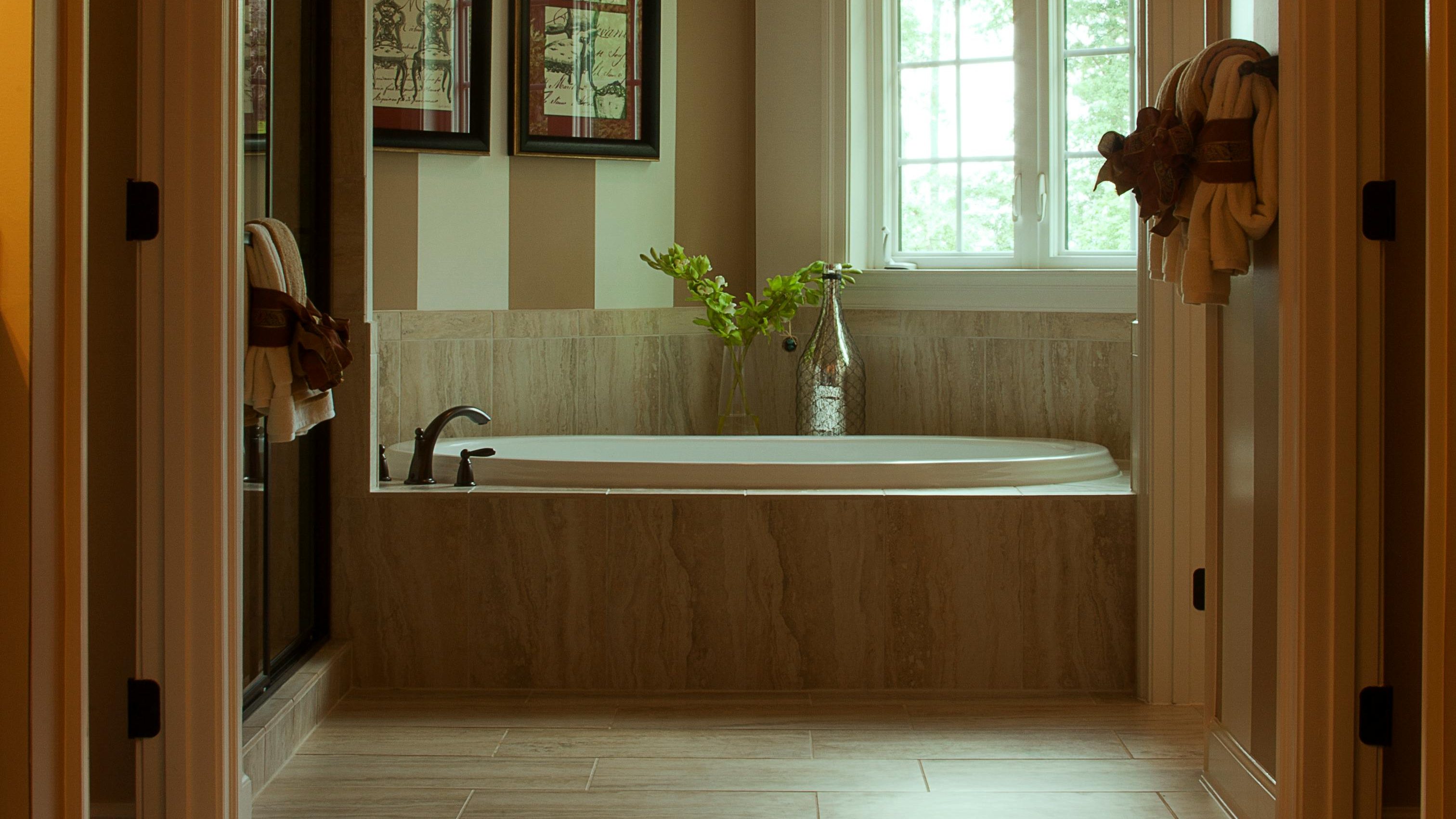
– Space Efficiency: Built-in baths are more space-efficient and easier to clean around compared to freestanding baths.
Shower Baths: P-shaped and L-shaped
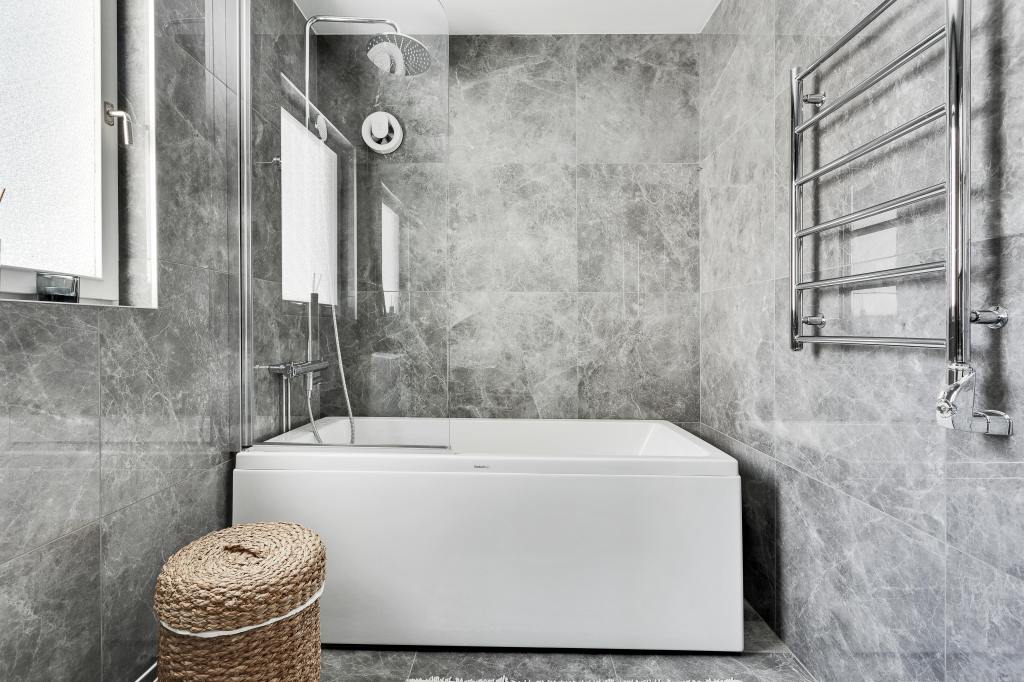
If you have the space, these are a great way to incorporate a large bath and a good shower space into a small bathroom.
– P-shaped: Features a curved shape, offering a comfortable bath and a decent showering area.
– L-shaped: More square in shape, often seen as a better use of space. It offers more room to shower and a modern finish, with fewer awkward cleaning areas.
Don’t Forget Bath Panels
An often-overlooked aspect is the bath panel:
– Freestanding Baths: Freestanding baths do not require panels.
– Built-in Baths: Options include the flimsy white panels that come with the bath, reinforced white panels, wooden panels, or waterproof shower panels. Ensure that shower panels are indeed waterproof before purchasing.
– Custom Tiling: You can ask your plumber to tile around the bath. Ensure they include an access panel for future maintenance. This allows for a custom finish with tiles or mosaics, which is durable and hard-wearing. Some plumbers can even use mosaics to tile a curved bath!
Different Material Choices
The material of the bath affects both the feel and durability:
– Steel and Steel Enamel: These traditional materials are hard-wearing and have a brilliant white finish. They can be cold to the touch initially but retain heat well once filled with warm water. However, the styles and sizes available in this finish are limited.
– Acrylic: These baths come in a wide range of shapes, sizes, and prices. They can pick up small scratches and require more cleaning, but they are warmer to the touch and retain less heat compared to steel baths. Acrylic baths are ideal if you prefer showers or need to quickly get the kids through the bathroom routine.
–‘Stone Resin’: This is often one of the most expensive materials for a bath and is avalible on both a matt and gloss finish, most stone resin bath manufacturers will make matching basins as well. Please be aware that the colour of the bath will not match the white of your ceramic sanitaryware. Gloss finishes are prone to scratching and matt finishes may stain over time. These baths are beautiful with super thin sides and a tactile finish, but they are often heavy, check with your builder that your floors are suitable if you are considering installing one of these in an upstairs bathroom.
In conclusion, selecting the right bath involves considering your space, who will be using the bath, and your aesthetic preferences. Freestanding baths offer a luxurious look but can be less practical, while built-in baths are versatile and space-efficient. Material choice also plays a significant role in the bath’s comfort and durability. Happy bath hunting!
Begin Your Journey
Design Process & Pricing:
How we work together to turn your dream home into a reality, everything from expert advice and inspirational moodboards to high quality renders
 Grapefruit Interior Design
Leave a comment